Business
Intra-African trade below 20% despite growing Nigeria–South Africa ties — Consul General

By Ambrose Nnaji
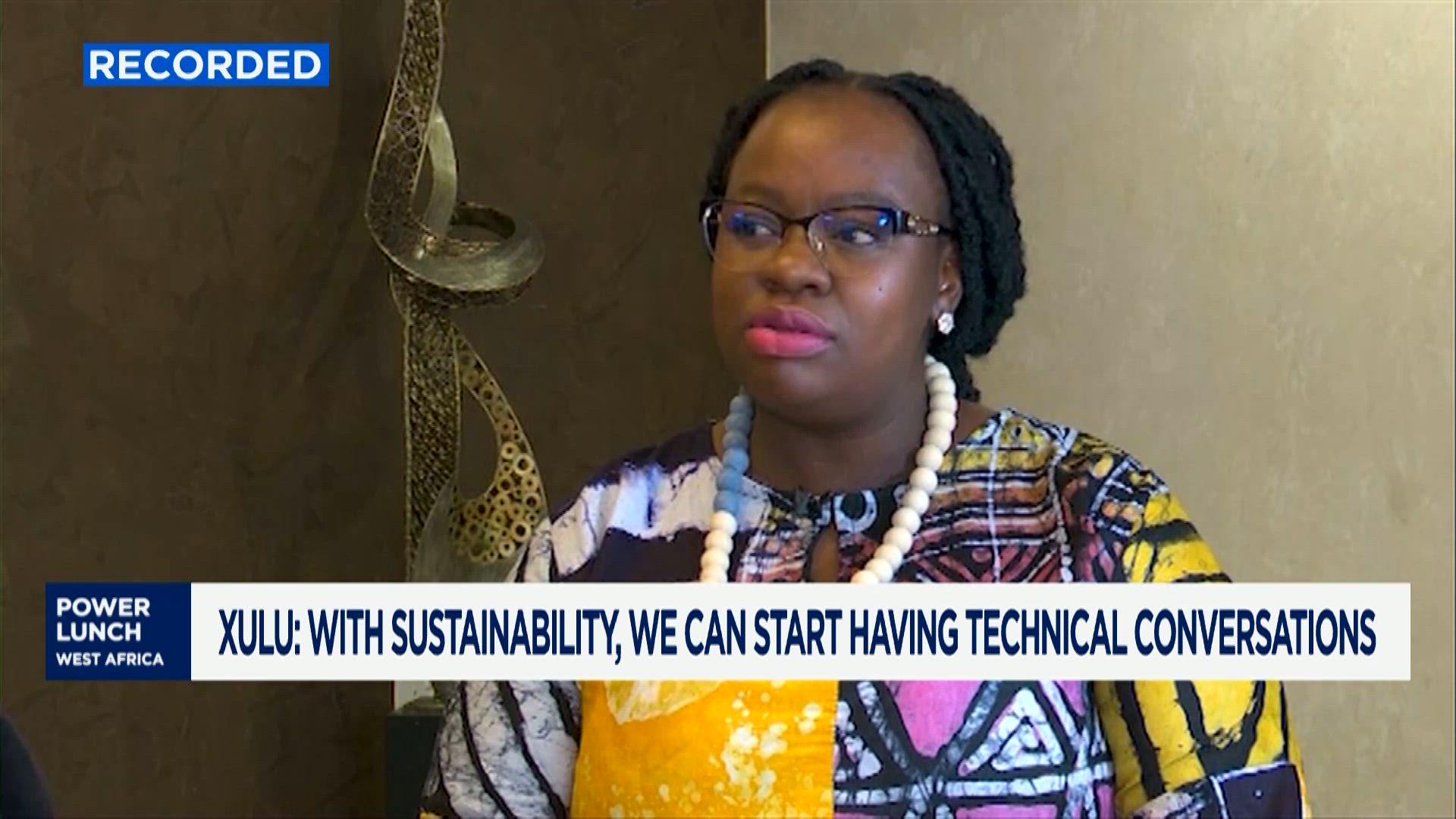
The Acting Consul General of South Africa in Nigeria, Kgothatso Xulu, has warned that intra-African trade remains below 20percent of total trade flows, highlighting a major gap in the continent’s economic integration despite its vast resource base.
Speaking on the sideline at the second Nigeria–South Africa Economic Diplomacy Roundtable 2026, Xulu said Africa’s two largest economies—Nigeria and South Africa—account for more than a third of sub-Saharan Africa’s Gross Domestic Products (GDP), positioning them as critical anchors for regional investment and industrial growth.
However, she stressed that this economic weight has yet to translate into deeper trade linkages across the continent.
“When South Africa and Nigeria truly align economically, the impact will not only be bilateral but continental,” Xulu said, urging a shift from dialogue to execution through bankable projects and long-term partnerships.
The urgency comes as the African Continental Free Trade Area gains traction, increasing pressure on leading economies to drive integration through practical cooperation. The agreement is expected to reduce tariffs, improve market access and enable African countries to trade more competitively on their own terms.
Xulu identified telecommunications as a cornerstone of future collaboration, noting its expanding role beyond connectivity into financial inclusion, digital trade and innovation ecosystems. Across Africa, the digital economy is projected to contribute between 5percent and 8percent of GDP in leading markets.
South African firms have already established a strong presence in Nigeria’s digital landscape. MTN Nigeria, a subsidiary of MTN Group, has invested heavily in network infrastructure, fintech platforms and skills development, supporting millions of users and enabling large-scale digital payments.

Industry stakeholders also highlighted collaborations involving Adapt IT, particularly in education and data systems.
The roundtable, held under South Africa Week 2026 and hosted in partnership with MTN Group and the South African Mission in Lagos, brought together policymakers and corporate leaders seeking to align economic diplomacy with private sector priorities.
Participants said such investments underscore the role of private capital in complementing public policy, particularly as Africa’s working-age population is projected to become the world’s largest by 2035.
Despite growing engagement, stakeholders pointed to persistent challenges including regulatory misalignment, limited market access and fragmented logistics systems.
Xulu said overcoming these barriers requires deliberate coordination among governments, investors and businesses.
“Africa remains one of the most resource-rich continents, but we are not fully leveraging that advantage. We must trade more with each other, build joint ventures and develop solutions that are homegrown”, she said.
She noted that structural constraints—many rooted in colonial-era systems—continue to limit mobility and integration, contributing to low levels of intra-African travel and trade.
Looking ahead, Xulu said the next phase of Nigeria–South Africa relations will depend on expanding cooperation into sectors critical to national development, including agribusiness, renewable energy and industrial processing.
She cited agriculture as a key opportunity, noting that Nigeria’s large output is undermined by poor storage and weak distribution systems, leading to significant post-harvest losses.
South Africa’s expertise in cold-chain logistics, including mobile and solar-powered refrigeration, could help address these gaps while opening new investment pathways.
Organisers said the success of the roundtable would ultimately be measured by its ability to translate discussions into tangible outcomes, including resilient value chains and increased SME participation.
As both countries deepen engagement, their partnership is increasingly seen as a test case for Africa’s broader integration agenda—one that could determine whether the continent’s largest economies can convert potential into sustained economic performance.
Business
Customs: Salako takes charge at Lilypond Export Command, pledges stronger trade facilitation

By Editor
The Nigeria Customs Service (NCS), Lilypond Export Command, has commenced a new phase of leadership following the retirement of its Customs Area Controller (CAC), Comptroller Samuel Olusanya Ariyibi.
Ariyibi formally handed over the affairs of the Command to Deputy Comptroller Olusola Salako, who has assumed duty as Acting Customs Area Controller.
The handing-over and taking-over ceremony, held on August 24, marked the formal conclusion of Ariyibi’s tenure and followed the established administrative procedures of the NCS.
In a statement, Olusola Oke, Ariyibi expressed appreciation to the Comptroller-General of Customs, Bashir Adewale Adeniyi, the management of the Service, officers and men of the Command, and stakeholders for their support and cooperation during his tenure.
The retiring CAC attributed the achievements recorded by the Command to teamwork, professionalism, discipline and dedication, as well as sustained collaboration between Customs personnel and stakeholders.
He urged officers and men to extend the same commitment and cooperation to the new leadership, stressing the need to preserve the operational standards and gains recorded under his watch.
Ariyibi also expressed confidence in Salako’s ability to build on the foundation already established and further strengthen the mandate of the Lilypond Export Command.
Responding, the new Acting CAC, Deputy Comptroller Salako, commended Ariyibi for what he described as his dedicated and meritorious service to the NCS and contributions to the development of the Command.

Salako pledged to provide purposeful, responsive and professional leadership, with emphasis on strengthening the Command’s core responsibilities.
He identified trade facilitation, regulatory compliance, anti-smuggling operations and stakeholder engagement as key areas that would receive attention under his leadership.
The Acting CAC also called on officers and men of the Command to uphold discipline, professionalism and teamwork, noting that collective responsibility would be critical to achieving the strategic objectives of the Command and the broader mandate of the NCS.
He further solicited the continued support and cooperation of stakeholders, saying stronger collaboration would be essential to improving operational effectiveness and enhancing the Command’s contribution to Nigeria’s economic development.
The transition formally brings Ariyibi’s tenure as CAC of Lilypond Export Command to an end following his retirement from the NCS.
The Command commended the retiring comptroller for his service to the Service and the nation and wished him a fulfilling retirement. It also welcomed Salako and wished him a successful and impactful tenure as Acting CAC.

By Reporter
Rite Foods Limited, an indigenous food and beverage company, has been recognised among the Top 50 Nigerian Companies of Impact 2026 at the Industry Newspaper Awards.
The recognition honours companies making measurable contributions to Nigeria’s economic and social development through innovation, sustainability, employment generation and community-focused initiatives.
Rite Foods was recognised for its investments in modern manufacturing infrastructure, technology, product development and sustainable business practices, as well as its contribution to local value creation and the growth of Nigeria’s fast-moving consumer goods (FMCG) industry.
The Editor-in-Chief and Chief Executive Officer of Industry Newspaper, Goddie Ofose, said the award also reflects the company’s activities in employment creation, community development, environmental sustainability and product innovation.
According to him, the Top 50 Companies of Impact recognition is designed to celebrate organisations whose operations generate tangible economic, social and environmental value.
Ofose said Rite Foods stood out for its commitment to innovation, sustainability, environmental preservation and community development.
“The Top 50 Companies of Impact recognition is designed to celebrate organisations whose activities demonstrate tangible economic, social, and environmental value. Rite Foods distinguished itself through its commitment to innovation, sustainability, environmental preservation, and community development.”
He particularly cited the company’s Waste-Is-Naira (W.I.N.) programme and Riteonthebeach project, which are focused on plastic waste recovery, environmental cleanliness and public awareness.
Over the years, Rite Foods has expanded its portfolio of consumer brands, including Bigi Carbonated Soft Drinks, Bigi Premium Drinking Water, Sosa Fruit Drinks, Fearless Energy Drink, Rite Spicy Beef Sausage, Bigi Beef Sausage and Bigi Flex Sausage.

Through continued investment in product development, the company has introduced new flavours and packaging formats aimed at responding to changing consumer preferences while maintaining its emphasis on quality and affordability.
Ofose said the initiatives demonstrate how corporate sustainability programmes can extend beyond the factory environment to tackle environmental challenges affecting communities.
Rite Foods’ energy strategy was also highlighted as part of its sustainability efforts.
The Editor-in-Chief said about 95 per cent of the company’s energy consumption comes from cleaner energy sources, including natural gas and solar power, while diesel accounts for about five per cent.
He said the energy mix has helped the company reduce its environmental footprint while supporting operational efficiency.
Beyond environmental sustainability, Ofose also commended Rite Foods’ corporate social responsibility initiatives in education, healthcare and economic empowerment, saying they have contributed to community development across Nigeria.
Commenting on the award, the Head, Corporate Affairs and Sustainability, Rite Foods Limited, Ekuma Eze, said the recognition reflects the company’s commitment to creating value beyond its commercial activities.
“This honour is a reflection of the impact we are creating across multiple areas from innovation and human capital development to community engagement, sustainability and support for initiatives that contribute to national development.”
Eze said innovation remains central to Rite Foods’ business strategy, adding that investments in product development and manufacturing capabilities have strengthened the company’s ability to respond to changing consumer preferences and compete in Nigeria’s evolving FMCG market.
“For us, innovation is not simply about introducing new products. It is about understanding consumers, investing in people and technology, improving our processes, and creating products and solutions that deliver value. This recognition reinforces our commitment to doing more,” he said.
The latest recognition adds to a growing list of awards and industry commendations received by Rite Foods for its performance, innovation, leadership and sustainability initiatives.
The company said the recognitions reinforce its ambition to build a proudly Nigerian business operating to global standards while deepening investments in innovation, sustainability, human capital, communities and the future of Nigeria’s consumer economy.

By Ambrose Nnaji
Tony Elumelu’s investment in Seplat Energy Plc has crossed the $1 billion mark in market value, less than eight months after his investment vehicle, Heirs Holdings, acquired a 20.07 percent stake in the Nigerian energy company for approximately $500 million.
The sharp appreciation in the value of the holding follows a strong rally in Seplat’s shares on both the Nigerian Exchange (NGX) and London Stock Exchange (LSE), which has lifted the company’s market capitalisation to about $5.24 billion.
Heirs Holdings acquired 120.4 million Seplat shares from French energy company Maurel & Prom in December 2025, becoming the company’s largest shareholder.
Based on Seplat’s referenced share prices of N11,200.60 on the NGX and £6.47 on the LSE, the 120.4 million-share holding is now valued at approximately $1 billion, more than twice the original investment.
The gain underscores the scale of Seplat’s market rerating since the transaction and represents one of the more notable appreciation stories among major Nigerian-listed companies in 2026.
Seplat entered 2026 at N5,809 per share but quickly began a sustained rally after the Heirs Holdings transaction.
Within the first trading week of the year, the stock gained 6.2 percent and reached a new 52-week high.
By March, the share price had moved above N9,000, before crossing the N10,000 threshold in April.
Seplat became the first stock listed on the Nigerian Exchange to trade above N10,000 per share, closing at N10,450 on April 14 and recording a year-to-date gain of almost 80 percent at the time.
The stock has since moved above N11,000, putting its 2026 gain at more than 90 percent from its year-end 2025 level.
For Heirs Holdings, the sustained appreciation has effectively transformed the $500 million acquisition into a holding worth about $1 billion at the referenced market prices.
The rise in Seplat’s share price has coincided with a significant expansion in the company’s underlying business following its acquisition of Mobil Producing Nigeria Unlimited (MPNU).
The transaction transformed Seplat’s production scale and significantly expanded its offshore portfolio.
The impact was evident in the company’s 2025 financial performance, its first full year reflecting the enlarged asset base.
Revenue increased 144 percent to $2.73 billion, while adjusted EBITDA rose 137 percent to $1.28 billion.
Operating cash flow increased 276 percent to $1.17 billion, while net debt declined 25 percent to $673.3 million.
Seplat also increased its total dividend for 2025 by 52 percent to 25 cents per share.
The company’s 2026 performance has further strengthened the case for the market’s rerating.
In the first half of 2026, Seplat generated N2.50 trillion in revenue, while profit before tax rose 74 percent to N790.4 billion.
Profit after tax increased sharply from N42.5 billion in the corresponding period of 2025 to N225.5 billion.
The company also continued to strengthen its balance sheet.
Interest-bearing borrowings declined from about N1.44 trillion at the end of 2025 to N1.11 trillion by June, while cash increased to N598.3 billion.
The combination of higher earnings, stronger cash generation and lower leverage has provided additional support for the market’s more bullish assessment of the company.
Seplat’s enlarged asset portfolio has also translated into higher production.
Average working-interest production reached 139,509 barrels of oil equivalent per day (boepd) in the first half of 2026, compared with 134,492 boepd a year earlier.
Offshore assets accounted for more than half of total production, while natural gas liquids production more than doubled to 8,459 barrels per day.
The change represents a significant shift in the company’s production profile.
In 2025, average production had already risen to 131,506 boepd from 52,947 boepd in 2024 following the first full year of offshore consolidation after the MPNU acquisition.
The enlarged production base has therefore given Seplat greater diversification across assets and revenue streams than it had before the transaction.
Elumelu’s increasing involvement in Seplat adds another dimension to the investment.

After joining the company’s board in January 2026, he is expected to become chairman from January 1, 2027.
That would place Seplat’s largest shareholder in a more direct leadership position as the company seeks to consolidate the gains from the MPNU acquisition and pursue further growth.
The development also deepens Elumelu’s involvement in the Nigerian energy industry, alongside his interests across banking, power and other sectors through his investment holdings.
However, the sustained value of the Heirs Holdings investment will ultimately depend on Seplat’s ability to maintain production growth, manage costs, generate cash and translate its enlarged asset base into sustainable shareholder returns.
For now, the movement from an approximately $500 million investment to a stake worth around $1 billion highlights the scale of the market’s reassessment of Seplat since the MPNU acquisition.
More importantly, the company’s stronger earnings, higher production and improving balance sheet suggest that the share-price rerating is increasingly being supported by improvements in the underlying business rather than market sentiment alone.


Customs: Salako takes charge at Lilypond Export Command, pledges stronger trade facilitation

Eid-el-Maulud: Rite Foods calls for peace, unity, national progress

Rite Foods’ innovation, green energy drive earns top 50 impact recognition
-

 Fashion9 years ago
These ’90s fashion trends are making a comeback in 2017
-
Fashion9 years ago
Model Jocelyn Chew’s Instagram is the best vacation you’ve ever had
-
Entertainment9 years ago
The final 6 ‘Game of Thrones’ episodes might feel like a full season
-
Fashion9 years ago
According to Dior Couture, this taboo fashion accessory is back
-
Sports9 years ago
Steph Curry finally got the contract he deserves from the Warriors
-

 News9 months ago
Tinubu opens first stretch of Lagos–Calabar Coastal Highway, hints on ₦trillion legacy roads push
-
Entertainment9 years ago
The old and New Edition cast comes together to perform
-
Business9 years ago
Uber and Lyft are finally available in all of New York State