Energy
Abia attracts $145m solar manufacturing investment as clean energy drive expands

By Editor
Abia State has secured a $145 million investment commitment to establish a solar panel manufacturing plant in Isiala Ngwa South Local Government Area, marking another milestone in the state’s drive to become a hub for renewable energy and industrial development.
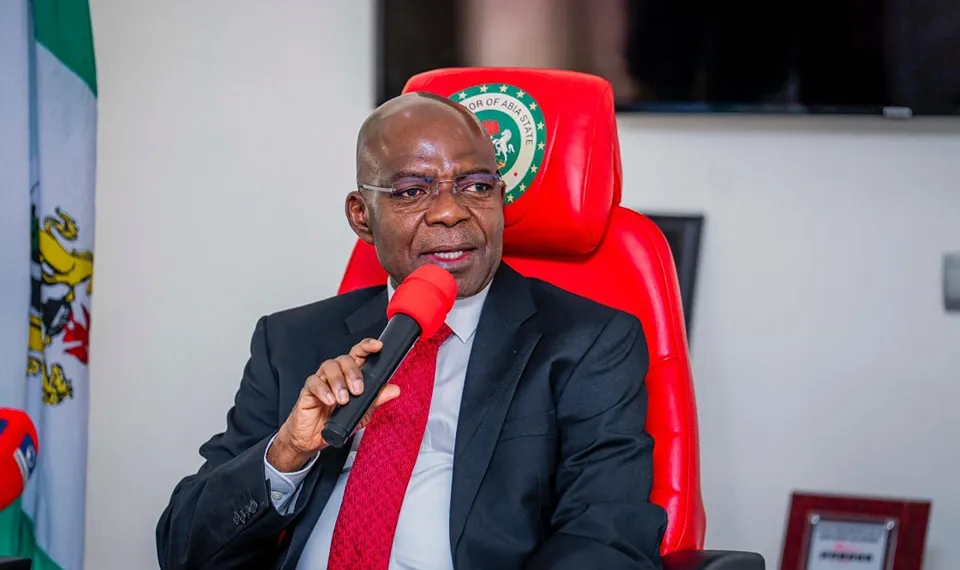
Governor Alex Otti disclosed this after receiving a delegation of investors led by Oko Jaja at the Government House in Umuahia, according to a statement issued by his Chief Press Secretary, Ukoha Njoku Ukoha.
Speaking during the meeting on July 16, Otti said the project had reached the Final Investment Decision (FID) stage, with investors committing up to $145 million to develop the manufacturing facility.
The governor welcomed the investment, describing it as a significant vote of confidence in Abia’s investment climate and economic reforms.
“I’m glad that you have reached the final investment decision where you are investing up to $145 million,” Otti said.
He assured the investors of the state’s continued support, noting that the government had already provided the land required for the project and would facilitate any additional requirements needed to ensure its successful implementation.
“We had to do everything that was required to make the land available. If there is anything else you need for this investment, do not hesitate to let us know,” he added.
Speaking on behalf of the investors, Dr. Oko Jaja said the project, which is being developed in partnership with Chinese investors, has made substantial progress.
He disclosed that the first tranche of funding is expected to be released by September 2026, clearing the way for construction to begin.
Also speaking, the Chief Executive Officer of MD NWAKANMA NIGERIA Limited, Dennis Madu Nwakamma, said construction of the plant is expected to commence before the end of September under a public-private partnership with the Abia State Government.
According to him, the facility will manufacture solar panels and other renewable energy products while creating employment opportunities and providing technical training for young people in the state.
The proposed investment strengthens Abia’s growing position in Nigeria’s renewable energy sector. The state is one of the few with a regulated electricity market and hosts Geometric Power, whose integrated power system supplies electricity to Aba and neighbouring communities.
The project also builds on recent investments in the state’s power infrastructure.
Earlier this year, Governor Otti commissioned an upgraded 5MVA power station at Abia State University, doubling its capacity from 2.5MVA to improve electricity supply within the institution.
In February 2024, he also inaugurated the 188MW Geometric Power Plant, a landmark project designed to expand electricity generation and improve power supply across the state.
The proposed solar manufacturing facility is the latest in a series of investment projects aimed at attracting private capital into Abia’s manufacturing and infrastructure sectors.
In March, the governor commissioned a $35 million industrial facility in Aba, part of a planned $100 million investment expected to strengthen the city’s manufacturing base.
The state has also completed the acquisition of Afro Beverages from the Asset Management Corporation of Nigeria (AMCON) after paying ₦500 million to facilitate the revival of the company.
Meanwhile, the Federal Government and the African Development Bank (AfDB) have urged the state government to resolve administrative bottlenecks delaying the commencement of the $263.8 million Abia State Integrated Infrastructure Development (ABSIID) project, which is expected to improve infrastructure and stimulate economic growth.

By Reporter
The Lagos State Electricity Regulatory Commission (LASERC) has clarified that its proposed 12-month billing rule will not erase existing electricity debts, dismissing claims that consumers would no longer be required to pay bills older than one year.
In a statement issued and obtained by NewsNexis Africa, the Commission said recent media reports had misinterpreted provisions of the proposed Retail Electricity Supply Code, creating the false impression that all outstanding electricity debts older than 12 months would automatically be cancelled.
LASERC explained that the provision is forward-looking and will only take effect when the new Code becomes operational. It stressed that electricity debts accumulated before the Code comes into force remain valid and enforceable under existing laws and contractual agreements.
“The Lagos State Electricity Regulatory Commission (LASERC) has issued a vital clarification regarding recent media interpretations of its proposed Retail Electricity Supply Code, explicitly clarifying that the rule limiting billing or recovery for electricity consumed to 12 months does not wipe out historical debts.
“This clarification comes in response to misinterpretations suggesting an immediate, sweeping cancellation of all debts owed by customers for electricity supply.”
According to the Commission, the proposed rule is intended to ensure electricity suppliers issue bills within a reasonable period after electricity has been consumed. Once a bill is issued within the prescribed 12-month window, it remains valid and recoverable.
LASERC Chief Executive Officer, Temitope George, said the proposed Retail Electricity Supply Code is designed to improve accountability between electricity suppliers and consumers while creating a transparent and predictable regulatory framework for the state’s electricity market.

She noted that the reforms are aimed at strengthening billing practices rather than exempting consumers from paying for electricity already consumed.
“By limiting back billing for electricity consumption to 12 months, we are creating a powerful regulatory incentive for distribution licensees to act responsibly towards their customers.
“Outstanding historical debts must still be settled, but moving forward, bills must be issued in a timely and predictable manner.”
Power sector experts say the clarification is crucial in preventing confusion among consumers while reinforcing the need for greater accountability in electricity billing.
They noted that back-billing has been a longstanding source of disputes between electricity distribution companies and customers, particularly unmetered consumers who often receive estimated bills months after electricity has been consumed.
According to the experts, placing a 12-month limit on future back-billing encourages distribution companies to improve billing efficiency, strengthen customer record management and accelerate metering, without undermining their legal right to recover legitimate debts already incurred.
They added that the proposed rule also aligns with global regulatory principles that require utilities to issue bills within a reasonable period, providing consumers with greater certainty and reducing prolonged billing disputes.
However, the analysts stressed that the success of the reform would depend on effective enforcement, widespread deployment of prepaid and smart meters, robust consumer awareness campaigns and improved complaint resolution mechanisms.
They further observed that while customers remain obligated to settle verified historical debts, electricity distribution companies must also meet their statutory obligations by issuing timely and accurate bills and ensuring eligible consumers are metered.
The Commission also reminded electricity distribution licensees of their legal obligation to meter all eligible customers within timelines prescribed by the regulator.
It said the proposed Code forms part of wider reforms to improve billing transparency, enhance investor confidence and promote a safe, reliable, affordable and sustainable electricity market in Lagos State.
Established under the Lagos Electricity Law signed by Governor Babajide Sanwo-Olu in December 2024, LASERC assumed full regulatory responsibility for the state’s electricity market following the inauguration of its board in March.
The proposed Retail Electricity Supply Code sets out the rights and obligations of electricity consumers, distribution licensees and other participants in Lagos’ electricity market.
In May, the Commission approved 14 electricity licences and permits covering off-grid generation, embedded generation, independent electricity distribution, metering services and interconnected mini-grid operations.
LASERC is also advancing broader electricity sector reforms, including universal metering, increased private sector participation and decentralised power supply, as part of Lagos State’s ambition to establish an independent electricity market and achieve 97.5 per cent electricity availability by 2030.
By Editor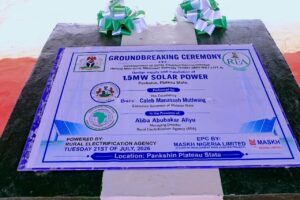
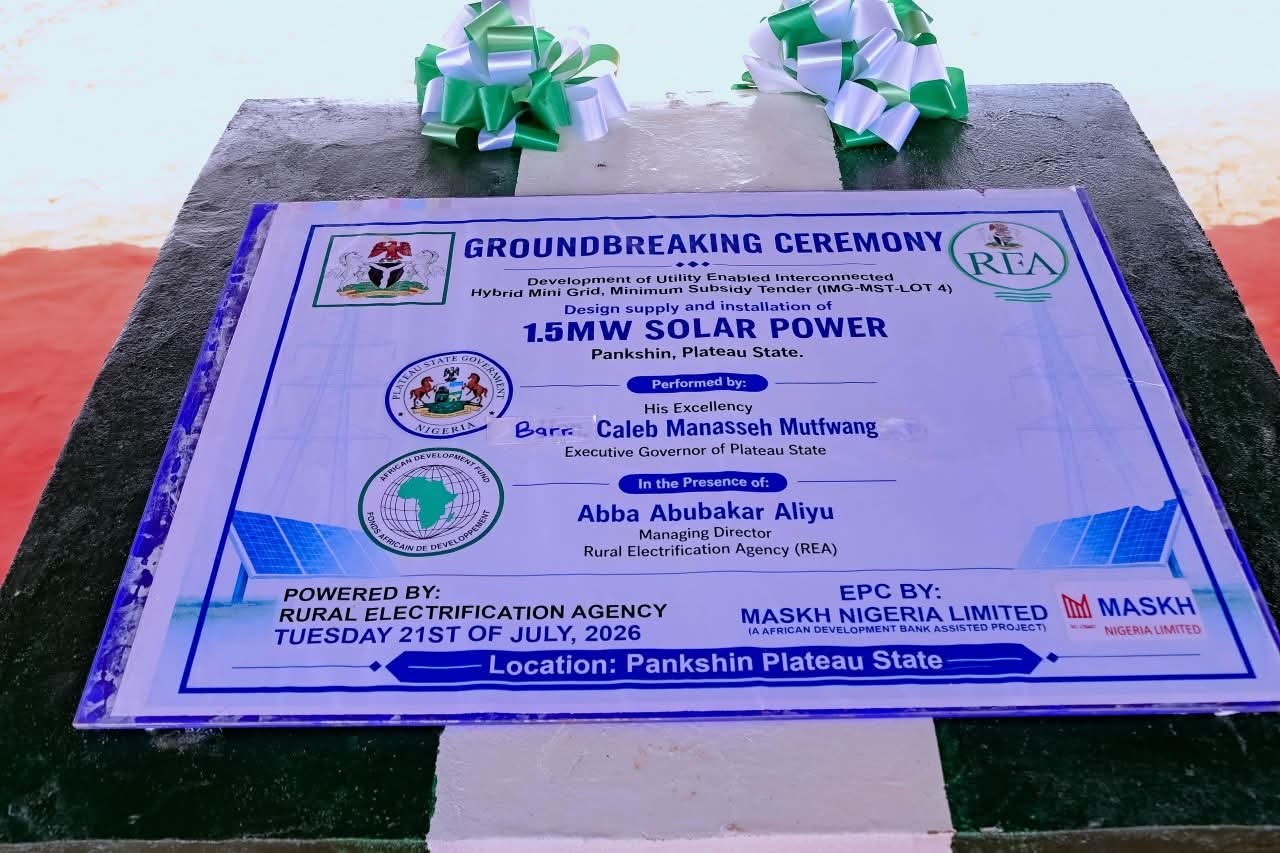
The Rural Electrification Agency (REA) has commenced the development of a 1.5-megawatt (MW) interconnected mini-grid in Pankshin, Plateau State, as part of its nationwide drive to expand electricity access and strengthen power infrastructure in underserved communities.
The groundbreaking ceremony comes shortly after the commissioning of a 50-kilowatt Access to Markets and Agriculture (AMP) Solar Mini-Grid in Namu Community, Plateau State, and follows similar groundbreaking events for interconnected mini-grid projects in Kogi (20MW), Kebbi (3.5MW), Adamawa (27MW) and Rivers (12MW) states.
Speaking at the ceremony, REA Managing Director, Abba Aliyu, said the Pankshin project forms part of a broader national rollout of 48 interconnected mini-grids designed to improve electricity reliability and support economic development across Nigeria.
According to him, the project will enhance power quality, reduce technical losses on existing distribution networks and provide dependable electricity to support agro-processing, healthcare facilities and commercial activities.
Aliyu also commended Plateau State Governor Caleb Mutfwang for fostering an enabling environment that encourages private sector investment in the state’s power sector.
He disclosed that the agency is currently constructing 10 additional mini-grid projects in Plateau under the Distributed Access through Renewable Energy Scale-up (DARES) Programme, covering Langtang South, Qua’an Pan, Shendam, Mikang, Wase, Kanke, Kanam, Mangu and other benefiting local government areas.

The REA boss explained that interconnected mini-grids are designed to complement existing distribution infrastructure by easing network constraints, improving power quality, reducing technical losses and supplying additional electricity where demand is highest.
He added that beyond improving electricity access, the projects are expected to stimulate local economic growth by providing businesses and productive enterprises with reliable power.
“The objective is to ensure electricity becomes a catalyst for production, job creation and economic development, rather than merely a source of consumption,” he said.
Industry experts have welcomed the initiative, describing interconnected mini-grids as a practical solution to Nigeria’s persistent electricity access challenges, particularly in rural and underserved communities.

They noted that while grid expansion remains essential, distributed renewable energy systems are increasingly becoming a cost-effective way of improving electricity reliability and supporting productive economic activities.
Energy economists say reliable electricity remains one of the biggest obstacles facing micro, small and medium-sized enterprises (MSMEs), especially in agriculture, processing, healthcare and education, where high energy costs continue to limit productivity.
According to the experts, projects such as the Pankshin mini-grid could help lower businesses’ dependence on diesel generators, reduce operating costs and improve the competitiveness of rural enterprises.
They also pointed out that interconnected mini-grids differ from isolated mini-grids because they work alongside existing distribution networks, supplying additional electricity where demand is high while helping to improve voltage stability and reduce technical losses.
However, the experts cautioned that the long-term success of the projects would depend on sustained maintenance, commercially viable tariff structures, strong community participation and effective collaboration between mini-grid developers, electricity distribution companies and regulators.
They further observed that the rollout aligns with Nigeria’s ambition to achieve universal electricity access by 2030 and could attract greater private investment into renewable energy infrastructure if implementation remains consistent.
According to them, expanding interconnected mini-grids across the country would not only improve electricity supply but also stimulate local industries, create jobs, enhance food processing and strengthen Nigeria’s transition to a cleaner and more resilient energy system.
The REA has continued to scale up renewable energy deployment through its DARES Programme and other electrification initiatives as part of efforts to close Nigeria’s electricity access gap and improve energy security.
By Ambrose Nnaji
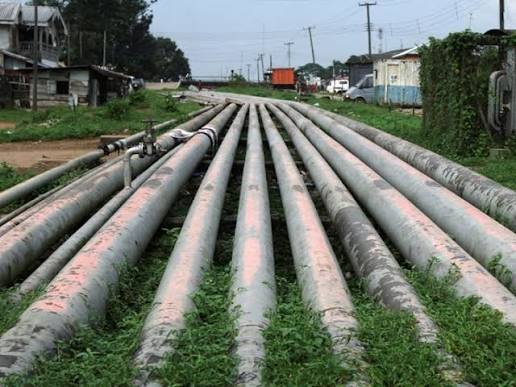
The Economic Community of West African States (ECOWAS) has moved the proposed $25 billion Nigeria-Morocco Gas Pipeline a step closer to construction after member states signed an intergovernmental agreement supporting the landmark regional energy project.
The agreement was signed on Sunday in Freetown, Sierra Leone, according to a joint statement by the Nigerian National Petroleum Company (NNPC) Limited and Morocco’s National Office of Hydrocarbons and Mines (ONHYM).
The accord marks one of the most significant milestones in the development of the trans-African gas pipeline, which is expected to strengthen regional energy security, expand access to natural gas, promote industrialisation across West Africa and increase gas exports to Europe.
Under the proposed project, the pipeline will transport up to 30 billion cubic metres (bcm) of natural gas annually from Nigeria through 13 West African countries to Morocco.
About 15 bcm of the projected annual capacity is expected to be delivered to Morocco and European markets through the existing Maghreb-Europe Gas Pipeline linking Morocco to Spain.
Originally conceived by the governments of Nigeria and Morocco nearly a decade ago, the pipeline will stretch approximately 6,900 kilometres using a combination of offshore and onshore routes, making it one of the world’s longest cross-border gas infrastructure projects.
NNPC and ONHYM confirmed that both the feasibility study and the Front-End Engineering Design (FEED) have been completed, paving the way for the next phase of implementation.
According to the joint statement, the next major milestone will be the signing of a separate agreement between Morocco and Mauritania in the presence of Nigeria’s President, further advancing the project’s execution.
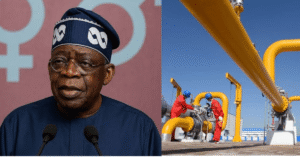
The Nigeria-Morocco Gas Pipeline is designed to unlock Nigeria’s vast natural gas reserves while supplying cleaner energy to participating countries for electricity generation, industrial development and mining activities.
Beyond improving energy access, the project is expected to deepen regional integration, create investment opportunities and support economic growth across West Africa.
Nigeria has steadily advanced the project over the past few years.
In June 2022, the Federal Executive Council approved NNPC to execute a Memorandum of Understanding (MoU) with ECOWAS to facilitate the pipeline’s development from Nigeria through West Africa to Morocco and Europe.
Later that year, NNPC signed additional MoUs with five African countries to broaden regional cooperation and accelerate implementation.
In March 2024, then NNPC Group Chief Executive Officer, Mele Kyari, said the project was expected to reach a Final Investment Decision (FID) before the end of 2024.
However, like many large-scale cross-border infrastructure projects, progress has been slowed by financing requirements, regulatory coordination among participating countries and the technical complexity of constructing one of the world’s longest offshore gas pipelines.
Despite these challenges, the latest ECOWAS agreement represents a major breakthrough, providing the political and legal framework needed to mobilise financing and coordinate implementation among participating states.
Once completed, the Nigeria-Morocco Gas Pipeline is expected to become a strategic energy corridor linking West Africa to Europe, enhancing energy security, supporting industrial growth and reinforcing Africa’s role in the global natural gas market.

PTML to pilot Customs’ new MIS File Tracker as Miko targets seamless nationwide rollout

Dangote picks London over Dubai for cement listing, cites faster approval process

Dangote confirms successful completion of $2.5 billion private placement
-

 Fashion9 years ago
These ’90s fashion trends are making a comeback in 2017
-
Entertainment9 years ago
The final 6 ‘Game of Thrones’ episodes might feel like a full season
-
Fashion9 years ago
According to Dior Couture, this taboo fashion accessory is back
-
Sports9 years ago
Steph Curry finally got the contract he deserves from the Warriors
-
Entertainment9 years ago
The old and New Edition cast comes together to perform
-
Business9 years ago
Uber and Lyft are finally available in all of New York State
-
Sports9 years ago
Phillies’ Aaron Altherr makes mind-boggling barehanded play
-
Entertainment9 years ago
Disney’s live-action Aladdin finally finds its stars