Business
PTML to pilot Customs’ new MIS File Tracker as Miko targets seamless nationwide rollout

By Reporter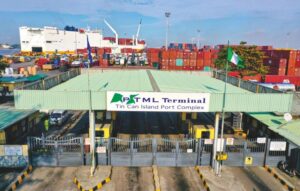

The Port and Terminal Multi-services Limited (PTML) Area Command of the Nigeria Customs Service (NCS) has been selected as the pioneer command to pilot the Service’s newly developed Management Information System (MIS) File Tracker, with Acting Customs Area Controller, Deputy Comptroller Nura Miko, assuring that the command will deliver a successful implementation capable of supporting nationwide deployment.
The selection places PTML once again at the forefront of Customs’ digital transformation agenda, reinforcing its reputation as the Service’s testing ground for technology-driven reforms following its successful implementation of the Unified Customs Management System (UCMS), popularly known as B’Odogwu.
The MIS File Tracker, unveiled as part of the Nigeria Customs Service’s modernisation programme, is expected to automate internal administrative processes, eliminate cumbersome paperwork and improve operational transparency across Customs formations.
Speaking at the launch, the Comptroller-General of Customs, Bashir Adewale Adeniyi, described the initiative as another significant milestone in the Service’s drive to build a fully digital Customs administration capable of delivering faster, more transparent and efficient public service.
Represented by the Deputy Comptroller-General in charge of ICT and Modernisation, Oluyomi Adebakin, Adeniyi said the platform demonstrates the Service’s commitment to deploying cutting-edge technology in line with global best practices.
According to her, the enterprise-wide digital platform integrates multiple administrative functions through a Single Sign-On (SSO) architecture, enabling officers to access several applications from a unified database.
She explained that the system digitises critical administrative functions, including leave and pass applications, file tracking, duty rosters, internal staff orders, nominal rolls and personnel management processes, while also creating channels for officers to submit feedback to improve the platform during implementation.
“The system is designed to reduce manual processes, improve workflow efficiency and support evidence-based decision-making across the Nigeria Customs Service,” she said.
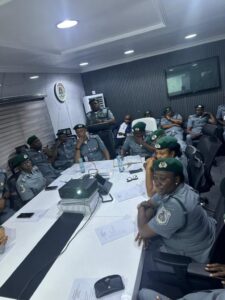

Adebakin noted that PTML was deliberately selected for the pilot phase because of its consistent record in successfully implementing major digital innovations introduced by the Service.
Responding, Miko said the command considers the selection both a privilege and a responsibility, assuring Customs headquarters that PTML would justify the confidence reposed in it.
According to him, the command has consistently embraced technology-driven reforms aimed at facilitating legitimate trade while improving internal efficiency.
“We will ensure the successful deployment of the MIS File Tracker and provide the necessary feedback that will support its smooth rollout across other Customs commands,” Miko said.
He disclosed that PTML is simultaneously working to reduce cargo clearance time for compliant Roll-on/Roll-off (RoRo) consignments from two hours to one hour through increased automation, a move expected to further strengthen trade facilitation at the terminal.
Miko added that successful implementation of the MIS File Tracker would accelerate the Service’s transition towards a paperless administrative environment while improving accountability and institutional efficiency.
Trade and customs experts said the pilot deployment represents another important step in Customs’ broader modernisation programme but stressed that sustained training, system interoperability and cybersecurity will determine its long-term success.
A maritime and trade facilitation expert, Dr. Eugene Nweke, said digitising internal administrative processes is as important as automating cargo clearance because institutional efficiency directly affects trade operations.
“Efficient internal administration ultimately translates into faster operational decision-making. Digital file tracking reduces bureaucratic delays, enhances accountability and improves institutional memory within Customs,” he said.
Similarly, customs and port operations analyst Lucky Amiwero said successful implementation of the platform would depend on how seamlessly it integrates with existing Customs digital systems.
According to him, digital reforms should not operate in silos but must be interconnected to support faster processing and more informed decision-making.
“The value of digital transformation lies in integration. When internal administrative systems communicate effectively with operational platforms, Customs becomes more responsive, transparent and efficient,” Amiwero noted.
He also urged the Service to prioritise continuous staff capacity building and cybersecurity safeguards as digital adoption expands.
Industry stakeholders believe PTML’s performance during the pilot phase will provide valuable lessons for nationwide implementation, especially as the Nigeria Customs Service intensifies efforts to modernise its operations through technology.
The launch of the MIS File Tracker adds to a growing portfolio of digital reforms under the leadership of Comptroller-General Adeniyi, complementing initiatives such as the B’Odogwu platform and reinforcing the Service’s ambition to build a smarter, data-driven Customs administration capable of facilitating trade while strengthening institutional governance.