Energy
How Renaissance Africa Energy redefines N/Delta development through HCDTs

How Renaissance Africa Energy redefines N/Delta development through HCDTs
By Our Reporter
Renaissance Africa Energy is embedding community participation at the heart of its operations in the Niger Delta, positioning local partnerships as a critical driver of both operational efficiency and social impact.
The Chief Executive Officer of the company, Tony Attah, said sustainable energy development in host communities depends largely on how effectively companies collaborate with local stakeholders to deliver shared value.
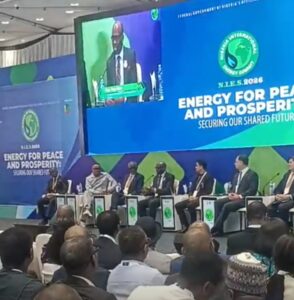
Attah spoke during a panel session titled “Capitalizing Africa’s Global Upstream Momentum” at the ongoing Nigerian International Energy Summit (NIES) in Abuja, where he highlighted the company’s Host Community Development Trusts (HCDTs) as a central pillar of its engagement strategy.
According to him, the HCDTs provide communities with a structured platform to participate in decision-making and directly benefit from development initiatives tied to energy projects.
“We rise and fall together. There is no scenario where we grow and they don’t grow,” Attah said.
He noted that the approach represents a clear departure from past models, where development projects were often imposed without adequate consultation. Under the new framework, communities now “hold the wheels of their development,” with the autonomy to prioritise and allocate resources based on their specific needs.
Attah cited examples of previous interventions—such as the construction of schools or water facilities—that failed to deliver value because cultural and practical realities were overlooked. In one case, a community water project initially faltered due to limited consultation, prompting residents to later redesign the initiative themselves to better reflect local priorities.
He credited the Petroleum Industry Act (PIA) with formalising community engagement structures and strengthening the governance and sustainability of HCDTs.
Describing the model as a long-term solution, Attah said shared prosperity is no longer optional but essential for stability and growth in the Niger Delta.
“The shared prosperity model is the ultimate future for the Niger Delta,” he said, stressing that community-led development is both a social responsibility and a business imperative.