Uncategorized
Hello world!

Uncategorized
Seplat Energy pushes gas-led transition, responsible operations at NGX climate dialogue
By Ambrose Nnaji
Seplat Energy Plc has reaffirmed that oil and gas will remain integral to Nigeria’s energy mix for the foreseeable future, while emphasising the imperative for operators to run their businesses responsibly, efficiently and sustainably.
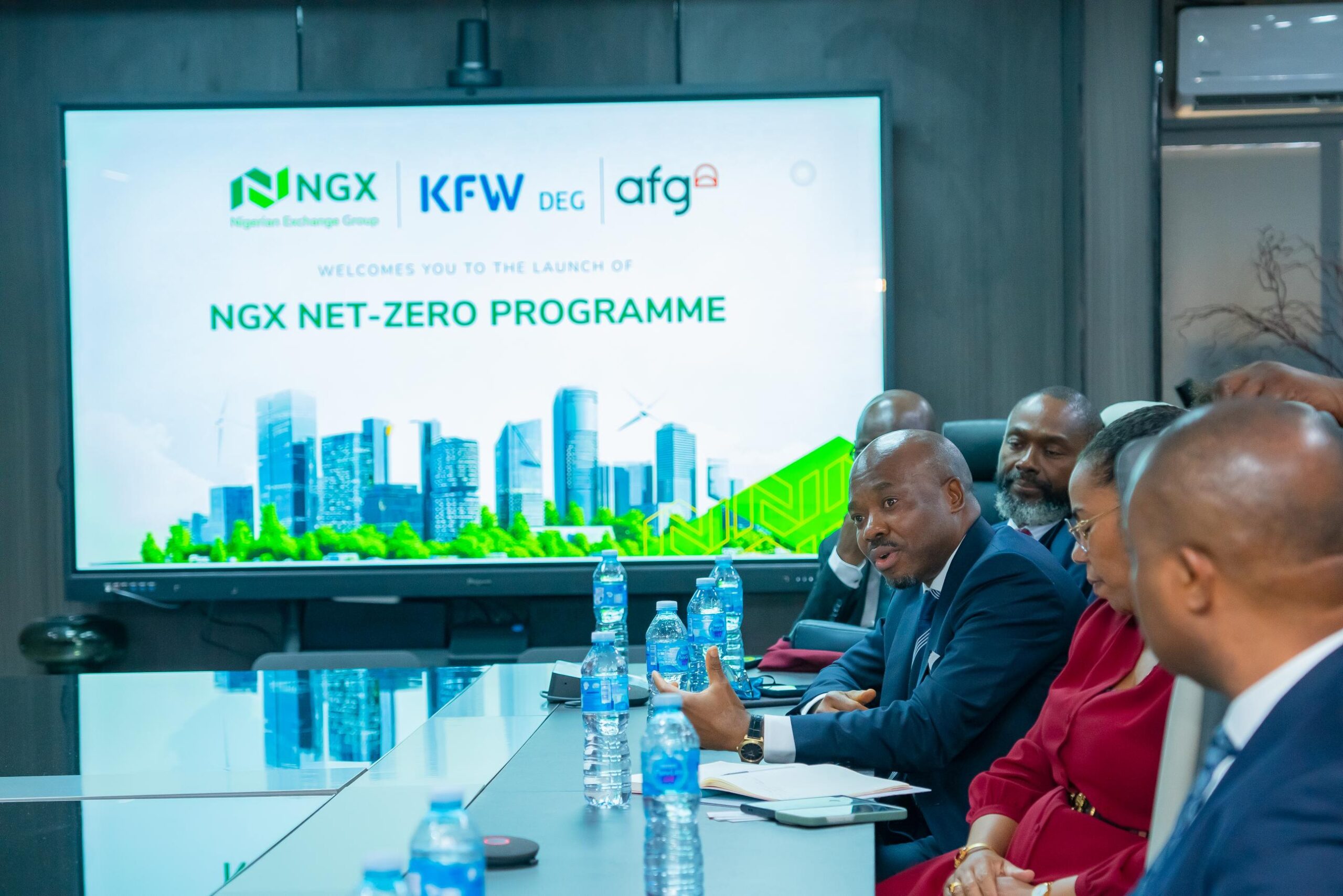
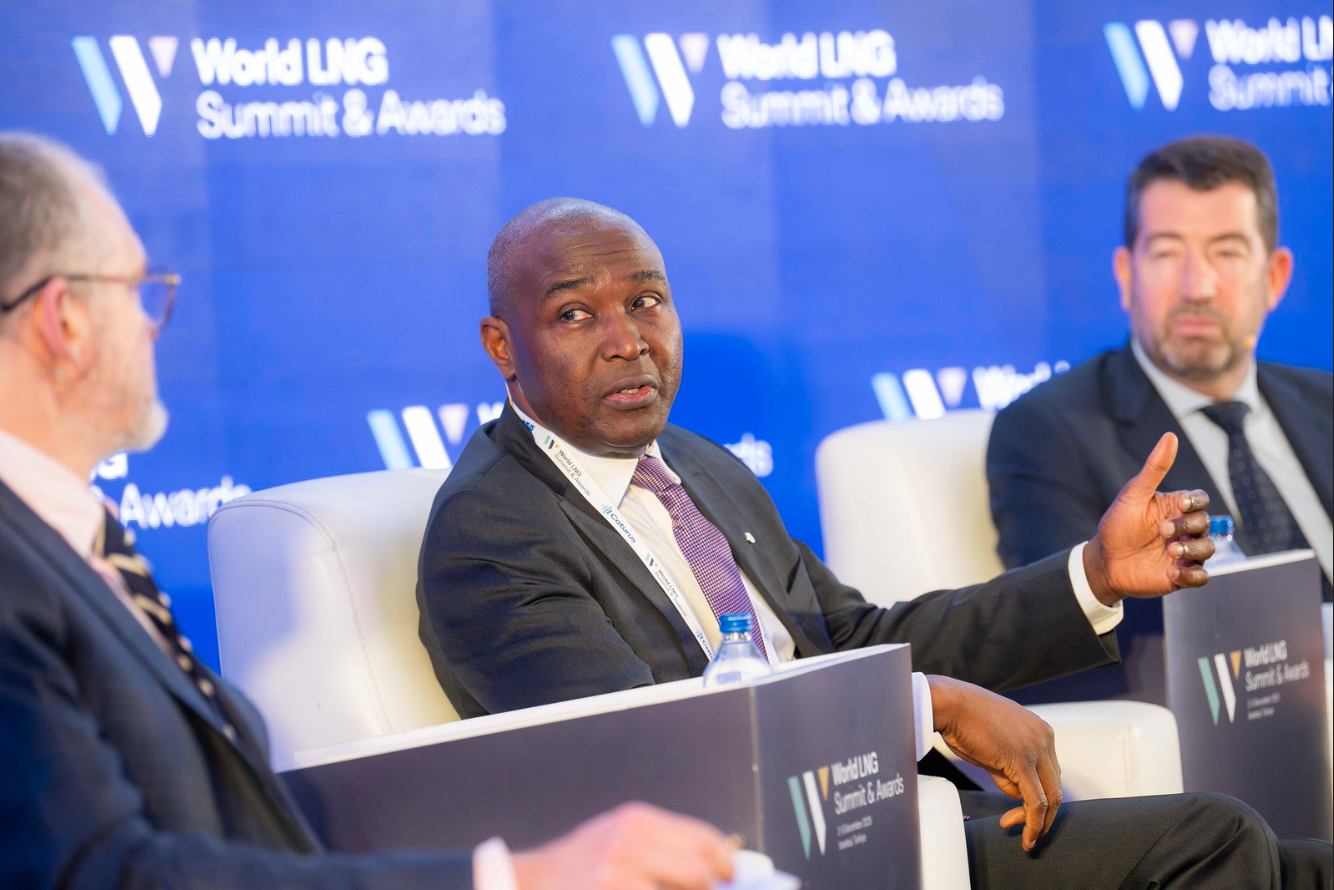
The company’s position was outlined by its Director, Gas & New Energy, Okechukwu Mba, who represented Chief Executive Officer, Roger Brown, at a high-level climate roundtable organised by the Nigerian Exchange Group (NGX Group) in partnership with DEG, Germany’s development finance institution, and Africa Foresight Group (AFG), in Lagos.
Speaking at the forum, Mba said the central question confronting Nigeria’s energy sector is not the continued relevance of oil and gas, but how industry players manage their environmental, social and economic responsibilities.
“Oil and gas will remain an important part of Nigeria’s energy mix for some time. The real issue is not whether the industry should exist, but how operators conduct themselves responsibly,” he said.
He noted that responsible operations must go beyond rhetoric and be anchored on measurable actions such as improved efficiency, reduced emissions and credible offsetting strategies.
Mba explained that Seplat Energy has already translated this commitment into concrete outcomes. He disclosed that the company launched a comprehensive programme several years ago to eliminate routine gas flaring across its onshore assets, adding that all the projects required to achieve this objective had been completed and were currently at the commissioning stage.
“Very soon, we will be able to state clearly that routine flaring has ended in our onshore operations. This is a significant milestone that reflects our environmental stewardship, while continuing to deliver energy to the nation,” he said.
He further highlighted the company’s deployment of technology to improve operational efficiency, including real-time emissions monitoring across pipelines, valves, processing plants and other critical infrastructure. This, he said, is complemented by a robust asset integrity programme aimed at identifying and eliminating emissions sources.
Beyond operational controls, Mba said Seplat Energy is also pursuing nature-based solutions to offset emissions. In one of its host communities in Edo State, the company has launched an afforestation initiative committing to plant millions of trees over a five-year period, with the first phase already completed.
He also pointed to Seplat Energy’s investments in gas and LPG infrastructure as part of efforts to drive emissions reduction beyond its direct operations. According to him, expanded access to LPG helps reduce dependence on firewood, charcoal and other biomass fuels, particularly in peri-urban and rural communities.
Following the company’s offshore acquisition, Mba noted that LPG volumes previously exported are now being channelled into the domestic market, significantly improving availability, affordability and overall market quality.
On the broader energy transition, he underscored the critical role of financing, especially for gas and gas-to-power projects. He noted that while the national grid delivers only about five gigawatts of electricity, a much larger share of power consumption is met through self-generation using petrol and diesel generators, which have far higher emissions.
“If we replace these inefficient power sources with gas-powered solutions, we can achieve significant decarbonisation. However, without adequate financing, such projects will not materialise and the benefits will be lost,” he said.
The event also marked the launch of the NGX Net-Zero Programme (N-Zero), an initiative designed to support listed companies in defining credible net-zero pathways, strengthening climate-related disclosures and aligning with global investor expectations. The programme is projected to unlock between $2.5 billion and $3.1 billion in climate-linked capital for Nigerian companies.
Speaking at the launch, Group Chairman of NGX Group, Umaru Kwairanga, said Africa’s capital markets must play a leading role in advancing climate action and sustainable growth, adding that the N-Zero Programme would help companies move from ambition to measurable impact.
Also speaking, Group Managing Director of NGX Group, Temi Popoola, noted that climate risk has become a key factor in global valuation and capital allocation decisions, while Monika Beck, a member of the Management Board of DEG, said the partnership aligns with DEG’s strategy of mobilising private capital to accelerate climate action while delivering tangible development outcomes.

World Engineering Day: JMG advances digital, sustainable power solutions

SPE sets agenda to push oil output beyond 3m bpd

Dangote expands industrial ambition to steel, power, ports
-

 Fashion9 years ago
These ’90s fashion trends are making a comeback in 2017
-
Entertainment9 years ago
The final 6 ‘Game of Thrones’ episodes might feel like a full season
-
Fashion9 years ago
According to Dior Couture, this taboo fashion accessory is back
-
Entertainment9 years ago
The old and New Edition cast comes together to perform
-
Sports9 years ago
Phillies’ Aaron Altherr makes mind-boggling barehanded play
-
Business9 years ago
Uber and Lyft are finally available in all of New York State
-
Sports9 years ago
Steph Curry finally got the contract he deserves from the Warriors
-
Entertainment9 years ago
Disney’s live-action Aladdin finally finds its stars
A WordPress Commenter
November 24, 2025 at 9:59 am
Hi, this is a comment.
To get started with moderating, editing, and deleting comments, please visit the Comments screen in the dashboard.
Commenter avatars come from Gravatar.