Business
Dangote inks $400m deal with China’s XCMG to power mega refinery expansion


By Editor
Dangote Group has signed a $400 million construction equipment agreement with XCMG Construction Machinery Co., Ltd., in a strategic move aimed at fast-tracking the expansion of the Dangote Petroleum Refinery & Petrochemicals.
The deal is designed to support the planned scale-up of the refinery’s processing capacity from 650,000 barrels per day to 1.4 million barrels per day, a milestone that would position the facility as the largest single-train refinery in the world.
Under the agreement, Dangote Group will acquire a broad range of advanced construction equipment to support current and upcoming projects spanning refining, petrochemicals, agriculture and large-scale infrastructure. The new fleet will complement existing machinery deployed at the Lekki complex, with the refinery expansion expected to be completed within three years.
Beyond refining, the expansion programme will significantly boost petrochemical and fertiliser output. Polypropylene production capacity will rise from 900,000 metric tonnes per annum to 2.4 million metric tonnes per annum, while urea production in Nigeria will triple from 3 million to 9 million metric tonnes per annum. This is in addition to the Group’s 3 million metric tonnes per annum urea capacity in Ethiopia, consolidating its position as the world’s largest urea producer.
The programme also includes an increase in Linear Alkyl Benzene (LAB) production capacity to 400,000 metric tonnes per annum, reinforcing Dangote Group’s leadership in Africa and strengthening supply to detergent and cleaning products manufacturers. Additional base oil capacity is also part of the wider expansion blueprint.
In a statement, the Group described the agreement as a strategic investment aimed at deepening its construction capabilities and accelerating progress toward its long-term ambition of building a $100 billion enterprise by 2030.
“The additional equipment we are acquiring through this partnership will significantly enhance execution across our projects. With this investment, we are positioning ourselves to become the number one construction company in the world,” the statement said.
Dangote Group continues to intensify expansion and regional market development as it advances toward its 2030 growth target.
By Reporter
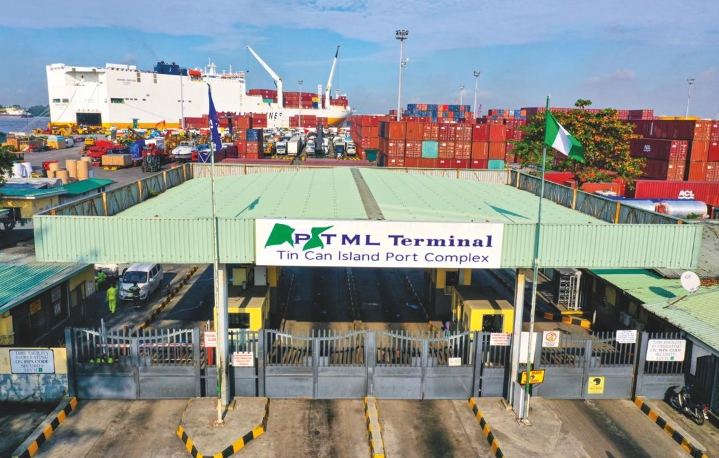
The Port and Terminal Multi-services Limited (PTML) Area Command of the Nigeria Customs Service (NCS) has been selected as the pioneer command to pilot the Service’s newly developed Management Information System (MIS) File Tracker, with Acting Customs Area Controller, Deputy Comptroller Nura Miko, assuring that the command will deliver a successful implementation capable of supporting nationwide deployment.
The selection places PTML once again at the forefront of Customs’ digital transformation agenda, reinforcing its reputation as the Service’s testing ground for technology-driven reforms following its successful implementation of the Unified Customs Management System (UCMS), popularly known as B’Odogwu.
The MIS File Tracker, unveiled as part of the Nigeria Customs Service’s modernisation programme, is expected to automate internal administrative processes, eliminate cumbersome paperwork and improve operational transparency across Customs formations.
Speaking at the launch, the Comptroller-General of Customs, Bashir Adewale Adeniyi, described the initiative as another significant milestone in the Service’s drive to build a fully digital Customs administration capable of delivering faster, more transparent and efficient public service.
Represented by the Deputy Comptroller-General in charge of ICT and Modernisation, Oluyomi Adebakin, Adeniyi said the platform demonstrates the Service’s commitment to deploying cutting-edge technology in line with global best practices.
According to her, the enterprise-wide digital platform integrates multiple administrative functions through a Single Sign-On (SSO) architecture, enabling officers to access several applications from a unified database.
She explained that the system digitises critical administrative functions, including leave and pass applications, file tracking, duty rosters, internal staff orders, nominal rolls and personnel management processes, while also creating channels for officers to submit feedback to improve the platform during implementation.
“The system is designed to reduce manual processes, improve workflow efficiency and support evidence-based decision-making across the Nigeria Customs Service,” she said.

Adebakin noted that PTML was deliberately selected for the pilot phase because of its consistent record in successfully implementing major digital innovations introduced by the Service.
Responding, Miko said the command considers the selection both a privilege and a responsibility, assuring Customs headquarters that PTML would justify the confidence reposed in it.
According to him, the command has consistently embraced technology-driven reforms aimed at facilitating legitimate trade while improving internal efficiency.
“We will ensure the successful deployment of the MIS File Tracker and provide the necessary feedback that will support its smooth rollout across other Customs commands,” Miko said.
He disclosed that PTML is simultaneously working to reduce cargo clearance time for compliant Roll-on/Roll-off (RoRo) consignments from two hours to one hour through increased automation, a move expected to further strengthen trade facilitation at the terminal.
Miko added that successful implementation of the MIS File Tracker would accelerate the Service’s transition towards a paperless administrative environment while improving accountability and institutional efficiency.
Trade and customs experts said the pilot deployment represents another important step in Customs’ broader modernisation programme but stressed that sustained training, system interoperability and cybersecurity will determine its long-term success.
A maritime and trade facilitation expert, Dr. Eugene Nweke, said digitising internal administrative processes is as important as automating cargo clearance because institutional efficiency directly affects trade operations.
“Efficient internal administration ultimately translates into faster operational decision-making. Digital file tracking reduces bureaucratic delays, enhances accountability and improves institutional memory within Customs,” he said.
Similarly, customs and port operations analyst Lucky Amiwero said successful implementation of the platform would depend on how seamlessly it integrates with existing Customs digital systems.
According to him, digital reforms should not operate in silos but must be interconnected to support faster processing and more informed decision-making.
“The value of digital transformation lies in integration. When internal administrative systems communicate effectively with operational platforms, Customs becomes more responsive, transparent and efficient,” Amiwero noted.
He also urged the Service to prioritise continuous staff capacity building and cybersecurity safeguards as digital adoption expands.
Industry stakeholders believe PTML’s performance during the pilot phase will provide valuable lessons for nationwide implementation, especially as the Nigeria Customs Service intensifies efforts to modernise its operations through technology.
The launch of the MIS File Tracker adds to a growing portfolio of digital reforms under the leadership of Comptroller-General Adeniyi, complementing initiatives such as the B’Odogwu platform and reinforcing the Service’s ambition to build a smarter, data-driven Customs administration capable of facilitating trade while strengthening institutional governance.
By Editor
Dangote Cement Plc has opted to pursue a secondary listing on the London Stock Exchange rather than in Dubai, citing the United Kingdom’s faster and more practical listing process as the company seeks to broaden its international investor base.
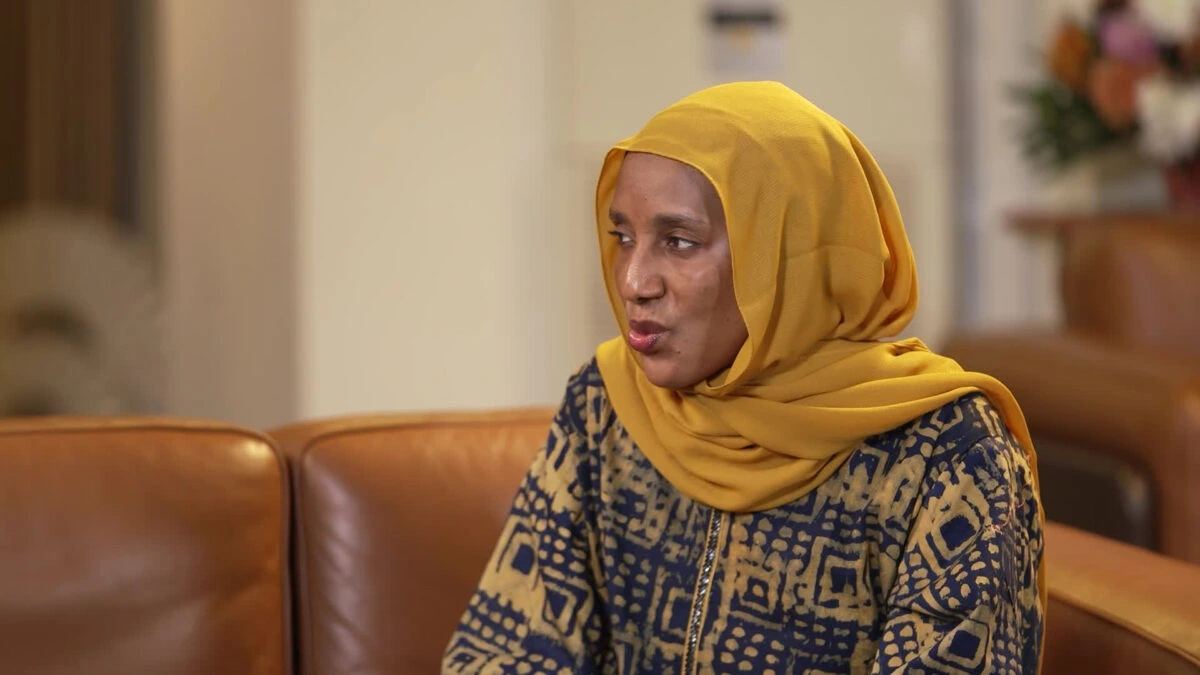
The disclosure was made by Mariya Dangote, Executive Director overseeing the group’s cement and foods businesses, who said the company had evaluated Dubai but concluded that obtaining a listing there would take considerably longer.
The planned secondary listing is part of the Dangote Group’s wider expansion strategy as it pursues an ambitious target of generating $100 billion in annual revenue by 2030 through investments across manufacturing, energy and industrial businesses.
Speaking in Lagos, Mariya Dangote said London offered a better strategic fit for the company’s objectives.
“It’s compatible with our business. We thought of the secondary listing in Dubai, but it would have taken years to list,” she said.
She disclosed that the company is working towards completing the London listing before the end of 2026, although the timetable could shift to the first quarter of 2027 depending on the schedule for the planned initial public offering (IPO) of Dangote Refinery.
“The way things are moving, we are looking to do the secondary listing at the end of this year,” she said.
According to her, the group is carefully sequencing multiple capital market transactions.
“The company is going into two IPOs at the same time. So we want to have a bit of a gap. If the refinery one is around September, then we’ll push the secondary listing to the end of the year or the first quarter of 2027.”
The planned London listing comes as the Dangote Group intensifies efforts to deepen its international presence and unlock value across its portfolio.
Beyond the refinery IPO, expected to rank among Africa’s largest public offerings, the conglomerate also plans to divest a stake in its fertiliser business to raise fresh capital for future expansion.
Dangote Refinery recently attained full production capacity, reinforcing its position as one of the world’s largest single-train refineries and increasing investor interest in the group’s energy business.
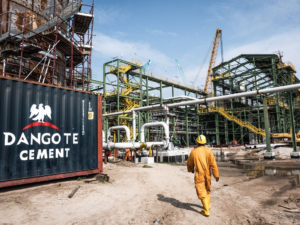
Dangote Cement, meanwhile, remains Africa’s largest cement producer, with an installed production capacity of 55 million metric tonnes annually across 11 plants in 10 African countries.
Although the company first announced plans for a London listing in 2011, the latest comments indicate the long-delayed strategy is now approaching execution as market conditions improve.
Capital market analysts say a London listing could significantly enhance Dangote Cement’s global visibility, improve liquidity in its shares and broaden access to institutional investors that may have limited exposure to African exchanges.
The Chief Executive Officer of the Centre for the Promotion of Private Enterprise (CPPE), Dr. Muda Yusuf, has consistently argued that international listings can strengthen corporate governance, improve transparency and expand access to long-term foreign capital, particularly for companies with continental operations and strong export earnings.
Similarly, investment analysts note that London remains one of the world’s leading financial centres for emerging market companies because of its deep institutional investor base, well-established regulatory framework and extensive analyst coverage. These factors can help companies attract a wider pool of international investors while potentially lowering their long-term cost of capital.
However, analysts also caution that maintaining dual listings increases regulatory compliance obligations and reporting costs, requiring issuers to meet the governance and disclosure standards of multiple jurisdictions.
The planned secondary listing follows a series of strategic capital market initiatives by the Dangote Group.
The conglomerate recently completed a $2.5 billion private placement, one of the largest corporate fundraising transactions undertaken by an African company. In December 2025, Aliko Dangote also announced plans to list a 10 per cent stake in the approximately $20 billion Dangote Refinery on the Nigerian Exchange (NGX), while billionaire investor Femi Otedola has pledged to invest $100 million in the refinery’s anticipated public offering, describing it as a strategic long-term investment.
Analysts say the combination of the refinery IPO, the proposed London listing of Dangote Cement and the planned sale of a stake in the fertiliser business underscores the group’s strategy of leveraging capital markets to finance expansion while positioning its businesses for greater international visibility and sustained long-term growth.
By Ambrose Nnaji
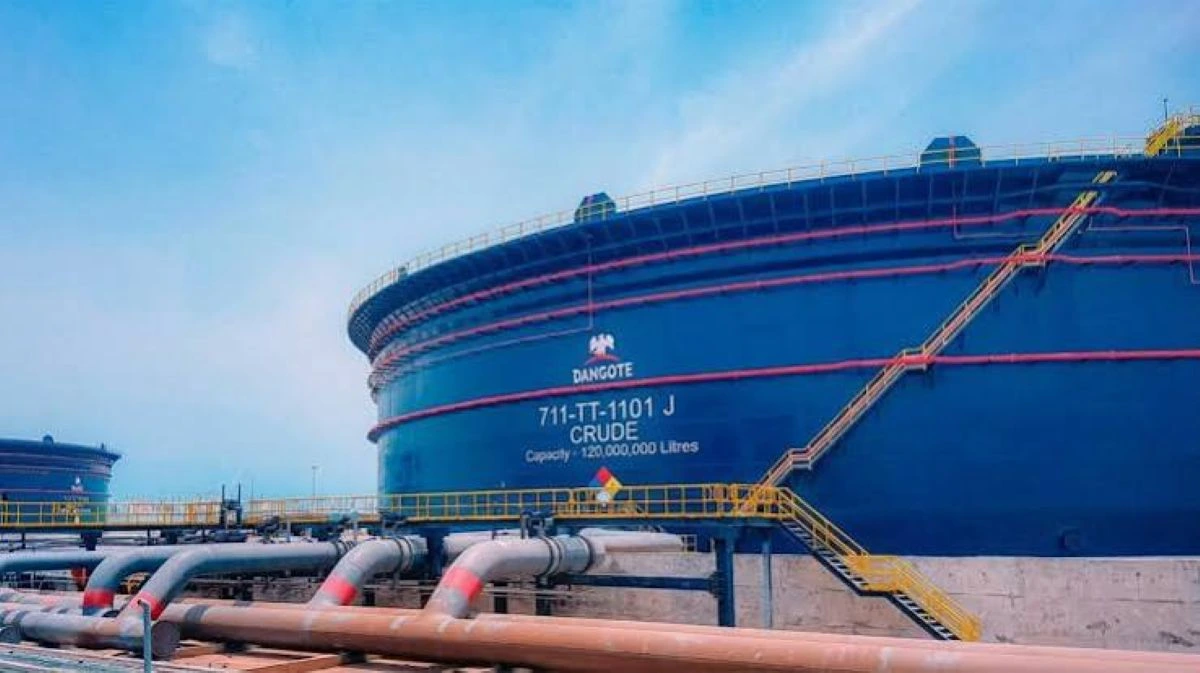
Dangote Petroleum Refinery has confirmed the successful completion of a $2.5 billion private placement, marking one of the largest corporate fundraising transactions ever undertaken by an African company.
While announcing the development, the company described the equity raise as a major milestone in its long-term growth strategy and an important step toward strengthening its capital base.
According to Dangote Refinery, the private placement was oversubscribed, reflecting strong investor confidence in the business and its expansion plans. The proceeds will be used to support the continued expansion of the Dangote Petroleum Refinery and Petrochemicals complex.
“The Private Placement achieved 3.7 times subscription relative to the initial offer size and resulted in the issuance and allotment of approximately US$2.5 billion in new equity,” the company said in a statement.
It added that the funds raised would support the ongoing expansion of its refining and petrochemical operations.
President and Chief Executive Officer of Dangote Industries Limited, Aliko Dangote, described the transaction as a strategic move to broaden the company’s shareholder base while strengthening its financial capacity.

“This is a strategic step to deepen and further institutionalise the Enterprise’s shareholder base, while raising capital to complement our internal cash flows and external funding,” Dangote said.
He added that the fundraising underscores the company’s commitment to expanding domestic refining and petrochemical capacity, reducing Africa’s dependence on imported refined petroleum products, and enhancing the continent’s energy security.
Managing Director and Chief Executive Officer of Dangote Petroleum Refinery, David Bird, said the overwhelming investor response reflected confidence in the company’s leadership, operational performance and long-term growth prospects.
The fundraising follows months of market interest in the refinery’s capital-raising programme. Earlier reports indicated that investor subscriptions had exceeded $2 billion before the offer closed, with investments structured around a minimum subscription threshold and a one-year lock-up period for allotted shares.
The successful private placement also comes ahead of the refinery’s planned initial public offering (IPO), expected to be one of the largest listings by an African industrial company. Market observers believe the fresh capital will further strengthen the company’s balance sheet as it prepares for its next phase of growth.
Beyond the planned IPO, Dangote Petroleum Refinery has continued to outline ambitious expansion plans aimed at increasing refining capacity and growing its petrochemicals business. Aliko Dangote has also expressed interest in replicating the refinery model in other African countries, including Kenya, as part of a broader strategy to deepen industrial investments across the continent.

PTML to pilot Customs’ new MIS File Tracker as Miko targets seamless nationwide rollout

Dangote picks London over Dubai for cement listing, cites faster approval process

Dangote confirms successful completion of $2.5 billion private placement
-

 Fashion9 years ago
These ’90s fashion trends are making a comeback in 2017
-
Entertainment9 years ago
The final 6 ‘Game of Thrones’ episodes might feel like a full season
-
Fashion9 years ago
According to Dior Couture, this taboo fashion accessory is back
-
Sports9 years ago
Steph Curry finally got the contract he deserves from the Warriors
-
Entertainment9 years ago
The old and New Edition cast comes together to perform
-
Business9 years ago
Uber and Lyft are finally available in all of New York State
-
Sports9 years ago
Phillies’ Aaron Altherr makes mind-boggling barehanded play
-
Entertainment9 years ago
Disney’s live-action Aladdin finally finds its stars