Oil & Gas
NOG 2026: Abuja hosts global energy push to unlock Africa’s next investment wave


By Editor
As NOG Energy Week celebrates its 25th anniversary, the 2026 edition is set to convene a powerful coalition of global and African energy leaders in Abuja this July, under the theme: “Advancing Energy Ambitions for Competitive & Resilient Economies.”
Positioned as Nigeria’s flagship energy convening, the event will shift from rhetoric to execution—focusing on eight strategic pillars designed to translate ambition into bankable projects and scalable solutions across the continent.
With an expected 7,500 participants, 300 exhibitors, and delegates from 85 countries, NOG 2026 underscores Africa’s rising importance in a rapidly evolving global energy order. As geopolitical tensions reshape supply chains and intensify the quest for energy security, Nigeria and its regional peers are increasingly viewed as reliable sources of oil, gas, and LNG for global markets.
Against this backdrop, the conference programme is structured to address critical industry pain points—ranging from supply stability and infrastructure deficits to long-term competitiveness and capital mobilisation. A strong emphasis will be placed on strategic partnerships and cross-border collaboration, positioning the event as a high-impact platform for deal-making and investment alignment.
This year’s agenda adopts a full-spectrum energy systems approach, integrating upstream expansion with midstream infrastructure and downstream market development. The goal is clear: to deliver energy at scale while strengthening Africa’s position as a supply anchor in an increasingly fragmented global market.
Gas and LNG will take centre stage as catalysts for industrialisation and export-led growth, reinforcing Nigeria’s “Decade of Gas” ambitions. Complementing this is a forward-looking focus on technology and innovation, particularly the role of AI-driven solutions in enhancing exploration, boosting production efficiency, and optimising energy systems to meet surging demand from digital infrastructure.
The programme also reflects the energy transition imperative, with dedicated sessions on decarbonisation and renewable energy—signalling a balanced pathway toward sustainability without compromising energy access or economic growth.
In a climate of persistent market volatility, NOG 2026 aims to deliver outcomes—not just conversations. Curated by an executive committee of industry leaders, the event will bring together policymakers, financiers, and operators to unlock capital, address structural bottlenecks, and accelerate project delivery.
Key speakers include Heineken Lokpobiri, Ekperikpe Ekpo, and Ruth Nankabirwa Ssentamu, alongside leading industry figures such as Bayo Bashir Ojulari and Proscovia Nabbanja.
Multilateral institutions, including the World Bank, African Development Bank, and Africa Finance Corporation, will also play a central role in shaping investment discourse.
From high-level strategic sessions to the NOG Energy Club and Deals Lounge, the anniversary edition is designed to catalyse partnerships and close critical financing gaps—cementing its role as a cornerstone platform for advancing Africa’s energy future.
By Ambrose Nnaji
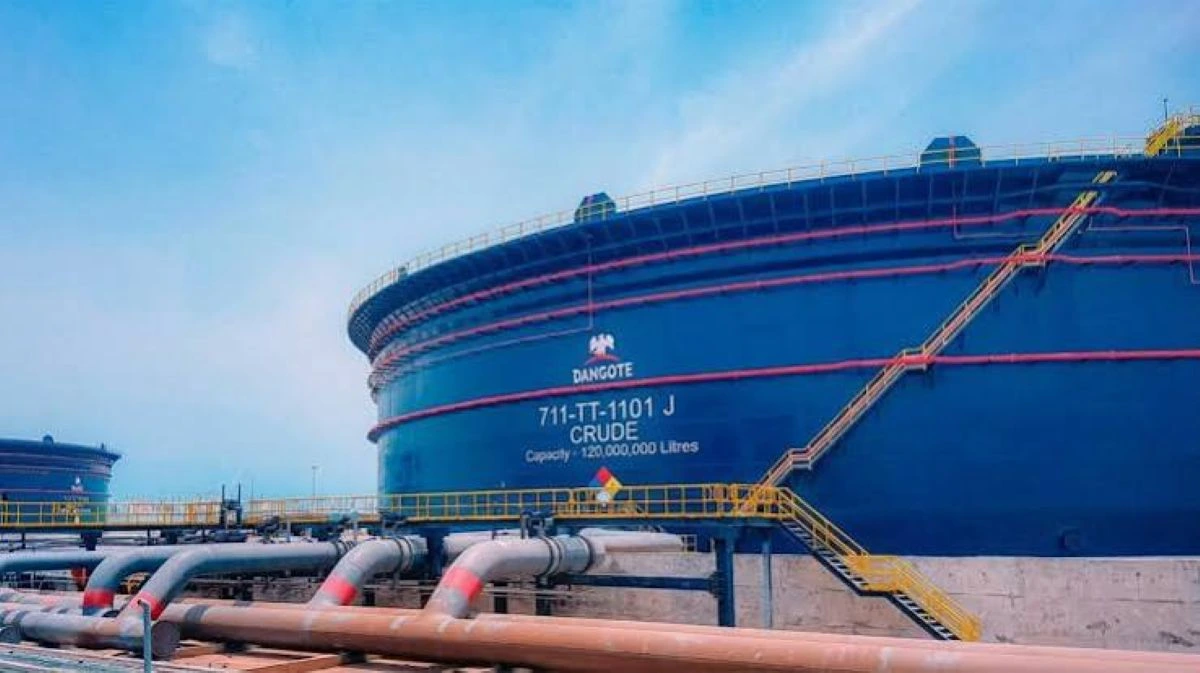
Dangote Petroleum Refinery has confirmed the successful completion of a $2.5 billion private placement, marking one of the largest corporate fundraising transactions ever undertaken by an African company.
While announcing the development, the company described the equity raise as a major milestone in its long-term growth strategy and an important step toward strengthening its capital base.
According to Dangote Refinery, the private placement was oversubscribed, reflecting strong investor confidence in the business and its expansion plans. The proceeds will be used to support the continued expansion of the Dangote Petroleum Refinery and Petrochemicals complex.
“The Private Placement achieved 3.7 times subscription relative to the initial offer size and resulted in the issuance and allotment of approximately US$2.5 billion in new equity,” the company said in a statement.
It added that the funds raised would support the ongoing expansion of its refining and petrochemical operations.
President and Chief Executive Officer of Dangote Industries Limited, Aliko Dangote, described the transaction as a strategic move to broaden the company’s shareholder base while strengthening its financial capacity.
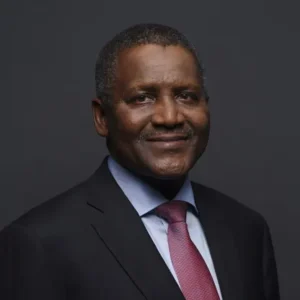
“This is a strategic step to deepen and further institutionalise the Enterprise’s shareholder base, while raising capital to complement our internal cash flows and external funding,” Dangote said.
He added that the fundraising underscores the company’s commitment to expanding domestic refining and petrochemical capacity, reducing Africa’s dependence on imported refined petroleum products, and enhancing the continent’s energy security.
Managing Director and Chief Executive Officer of Dangote Petroleum Refinery, David Bird, said the overwhelming investor response reflected confidence in the company’s leadership, operational performance and long-term growth prospects.
The fundraising follows months of market interest in the refinery’s capital-raising programme. Earlier reports indicated that investor subscriptions had exceeded $2 billion before the offer closed, with investments structured around a minimum subscription threshold and a one-year lock-up period for allotted shares.
The successful private placement also comes ahead of the refinery’s planned initial public offering (IPO), expected to be one of the largest listings by an African industrial company. Market observers believe the fresh capital will further strengthen the company’s balance sheet as it prepares for its next phase of growth.
Beyond the planned IPO, Dangote Petroleum Refinery has continued to outline ambitious expansion plans aimed at increasing refining capacity and growing its petrochemicals business. Aliko Dangote has also expressed interest in replicating the refinery model in other African countries, including Kenya, as part of a broader strategy to deepen industrial investments across the continent.
By  Reporter
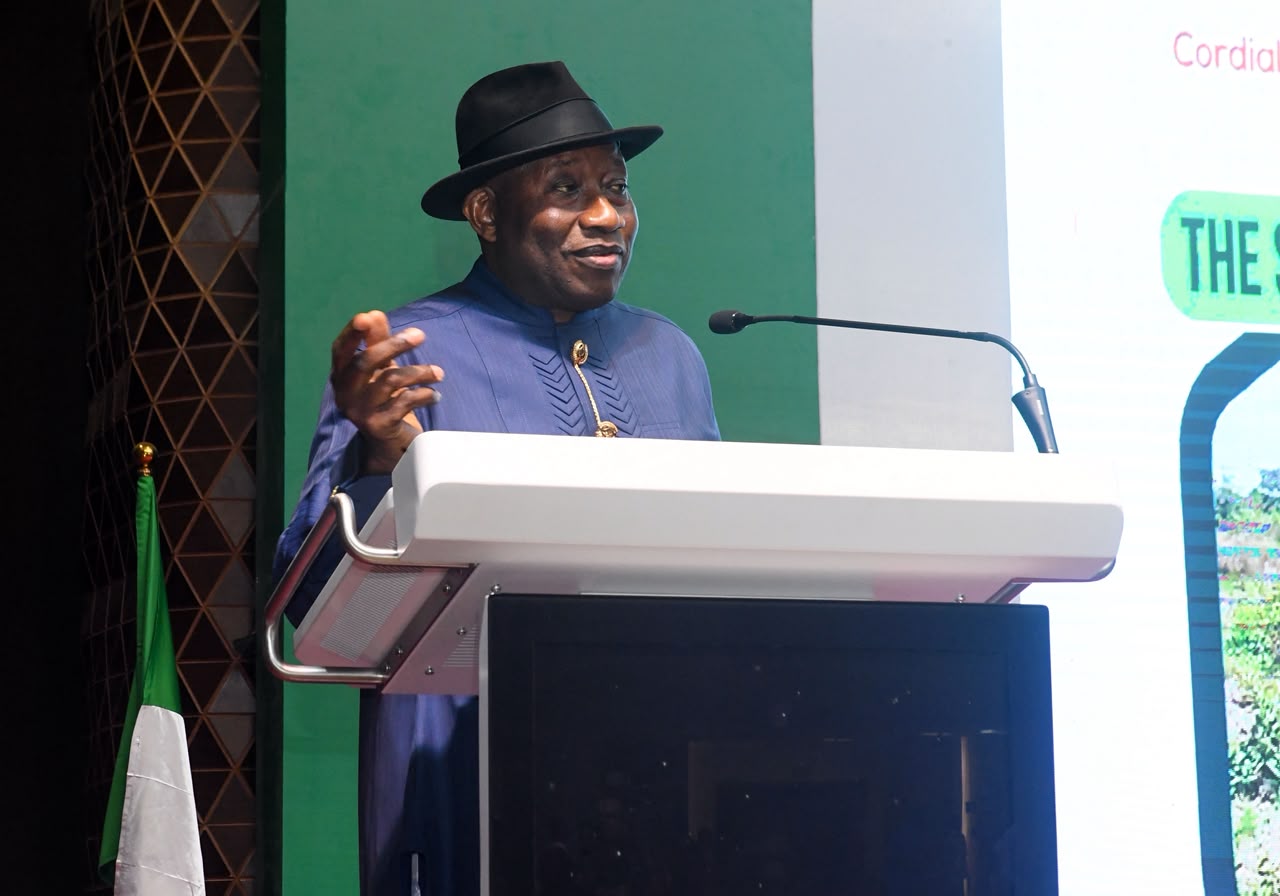
Former President Goodluck Jonathan has credited China’s success in developing a strong domestic oil and gas industry as the inspiration behind Nigeria’s local content policy, while commending the Nigerian Content Development and Monitoring Board (NCDMB) for significantly expanding indigenous participation in the sector.
Speaking at the SweetCrude Dialogue 2026, themed “Through the Python’s Eye: 70 Years of Oil and Gas Production,” held at the Nigerian Content Tower in Yenagoa, Bayelsa State, Jonathan said he remained fulfilled by signing the Nigerian Oil and Gas Industry Content Development (NOGICD) Act into law in April 2010.
He recalled that the idea for the legislation was shaped by a visit to China while serving as Deputy Governor of Bayelsa State, where he observed that virtually every component used in the country’s oil industry was sourced locally.
“Almost everything used in the Chinese oil industry was sourced locally,” Jonathan said, noting that China’s remarkable progress in the petroleum sector followed the discovery of the Daqing Oilfield in 1959—just three years after crude oil was first discovered in Oloibiri, present-day Bayelsa State.
The former president said the contrast between China’s industrial development and Nigeria’s dependence on foreign technology, expertise, equipment and production inputs left a lasting impression on him.
According to Jonathan, the experience reinforced the need for Nigeria to establish a legal framework that would promote local participation, build indigenous capacity and retain greater value from its oil and gas resources.
He praised the NCDMB for delivering on the objectives of the Act and commended the organisers of the dialogue, De Mangrove Conversations, led by Biobele Da-Wariboko, for creating a platform for stakeholders to reflect on the industry’s evolution.
Jonathan also stressed the importance of sustained conversations around host communities and governance challenges, noting that the Petroleum Industry Act (PIA) has made notable progress in addressing some longstanding issues.
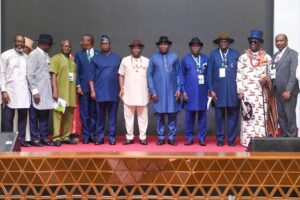
Representing the Executive Secretary of the NCDMB, Engr. Felix Omatsola Ogbe, the Board’s Director of Monitoring and Evaluation, Esueme Dan Kikile, described the conference theme as an opportunity to assess the industry’s journey, review achievements and define the future of Nigeria’s energy sector.
He acknowledged Jonathan’s role in establishing the NOGICD Act and the NCDMB, noting that local content participation has increased from less than five per cent in 2010 to 61 per cent in 2026.
According to him, the Board has consistently pursued its mandate of increasing indigenous participation by enforcing local content requirements, building local capacity and ensuring more industry expenditure remains within the Nigerian economy.
He said the Board’s Human Capacity Development Initiative has compelled operators to dedicate resources to training Nigerian engineers, geologists, technicians and seafarers, while its flagship graduate training programmes have created a steady pipeline of industry-ready professionals.
Kikile also highlighted several strategic projects undertaken by the Board, including the 17-storey Nigerian Content Tower in Yenagoa, the Oloibiri Museum and Research Centre, the Nigerian Oil and Gas Park Scheme in Bayelsa and Cross River states, gas processing infrastructure in Gbarain, the Polaku Gas Project, the Brass Shipyard and alignment with the Nigeria LNG Fertiliser Project.
He added that the NCDMB’s Back-to-the-Creek Initiative is helping to extend development opportunities to grassroots communities directly impacted by oil and gas operations.
“By anchoring these transformative initiatives, human capital development and high-level investments, the Board is transitioning the cradle of Nigeria’s oil history from a mere extraction zone into an active centre of commercial, technological and industrial value retention,” he said.
Bayelsa State Governor Douye Diri, represented by Deputy Governor Lawrence Ewhrudjakpo Akpe, said Bayelsa was the appropriate venue for discussions marking 70 years of Nigeria’s petroleum industry, given its historical significance as the birthplace of the country’s oil industry.
He commended De Mangrove Conversations for promoting dialogue on the development of the Niger Delta and Nigeria’s oil and gas sector.
Delta State Governor Sheriff Oborevwori, represented by his Chief of Staff, Johnson Erijo, urged industry stakeholders to renew their commitment to host communities while evaluating the sector’s progress over the past seven decades.
Also speaking, the Managing Director of the Niger Delta Development Commission (NDDC), represented by Chief of Staff Julius Oworibo, said the dialogue provided an opportunity to reflect on the gains recorded in oil-producing communities and identify areas requiring further intervention.
Delivering the keynote address, Professor Ibibia Lucky Worika of the Centre for Advanced Law Research, Rivers State University, said oil had shaped Nigeria’s economy, politics, foreign relations and development over the last 70 years, while also contributing to environmental degradation and conflict in the Niger Delta.
He argued that environmental justice must remain central to future energy policies, describing it as “a constitutional, moral and developmental imperative.”
Earlier, the convener of De Mangrove Conversations, Biobele Da-Wariboko, said the initiative was established to preserve the history and contributions of the Niger Delta to Nigeria’s economic development and prevent them from being overshadowed by political and ethnic divisions.

By Ambrose Nnaji
Thirty-one companies have emerged successful in Nigeria’s 2025 Oil and Gas Licensing Round, securing 37 exploration blocks following a highly competitive commercial bidding process conducted in Abuja.
The Nigerian Upstream Petroleum Regulatory Commission (NUPRC) said 143 companies submitted a total of 200 bids for 37 of the 50 oil and gas blocks offered during the licensing exercise.
The blocks were spread across several hydrocarbon provinces, including 16 Niger Delta onshore blocks, 18 shallow water blocks, one deep offshore block, three Benin Basin onshore blocks, four Anambra Basin onshore blocks, four Chad Basin onshore blocks and four Benue Trough blocks.
While 37 blocks attracted competitive bids, the remaining 13 received no submissions. Significantly, all the frontier basins—the Benue Trough, Chad Basin, Anambra Basin and Benin Basin—recorded successful bids, marking the first time Nigeria’s frontier acreages have attracted such broad investor participation in a licensing round.
Among the successful bidders are SSonic Petroleum Limited (PPL 2A29), CFP Pipeline and Flowlines (2A30), Dutchford E&P Limited (2A32), Attabanson Global Company Limited (2A33 and PPL 901), Rosem Energy Limited (2A38), Pivot-GIS Limited (2A39), Network E&P (2A40), Asharami (2A41), LexOil (2A42), BVOF (2A43), Gupsco Energy Limited (2A44 and 2A51), Saratoga (2A45), Volante (2A46), Concept-Reel Petroleum Services Limited (2A47 and 2A55), Clinton Oil Field (2A48 and 2A62), and Nuway Oaklane Limited (2A49).

Other successful companies include Ramec (2A50), Italia (2A53), Blueridge E&P (2A54), Up Energies Limited (2A56), AYM Shafa (2A57), Blackrock Holdings Limited (2A58), Funtay Integrated Business Limited (2A59), Riparian Development and Production Limited (2A60), Nikstallis (2A61 and PPL 900), Stardeep Petroleum (PPL 2010), Dakoda & U Limited (PPL 308 and PPL 800), Southborne Oil and Gas Limited (PPL 902), Lanaka Petroleum (PPL 903), Highban Resources Limited (PPL 700), and Eyre Energy Limited (PPL 801).
The Commission said the successful bidders would receive final awards only after paying the prescribed signature bonuses and obtaining approval from the Minister of Petroleum Resources, in accordance with the provisions of the Petroleum Industry Act (PIA), 2021.
Speaking at the conclusion of the bid process, the Commission Chief Executive of NUPRC, Oritsemeyiwa Eyesan, expressed appreciation to President Bola Tinubu for supporting the Commission in delivering a transparent and seamless licensing round.
She congratulated the successful companies and urged them to make prompt payment of their signature bonuses and commence development of their assets, warning that undeveloped licences could be revoked under the Commission’s “drill or drop” policy.
The commercial bid conference was observed by representatives of the Federal Ministry of Petroleum Resources, the Federal Ministry of Finance, the Nigeria Extractive Industries Transparency Initiative (NEITI), and other stakeholders to ensure transparency and compliance with applicable laws.

PTML to pilot Customs’ new MIS File Tracker as Miko targets seamless nationwide rollout

Dangote picks London over Dubai for cement listing, cites faster approval process

Dangote confirms successful completion of $2.5 billion private placement
-

 Fashion9 years ago
These ’90s fashion trends are making a comeback in 2017
-
Entertainment9 years ago
The final 6 ‘Game of Thrones’ episodes might feel like a full season
-
Fashion9 years ago
According to Dior Couture, this taboo fashion accessory is back
-
Sports9 years ago
Steph Curry finally got the contract he deserves from the Warriors
-
Entertainment9 years ago
The old and New Edition cast comes together to perform
-
Business9 years ago
Uber and Lyft are finally available in all of New York State
-
Sports9 years ago
Phillies’ Aaron Altherr makes mind-boggling barehanded play
-
Entertainment9 years ago
Disney’s live-action Aladdin finally finds its stars